6 Minute Read
Top 5 trends for experiential marketing
Discover the top 5 experiential marketing trends that are guaranteed to make your brand more memorable. Hear from i2i Marketing’s experts.
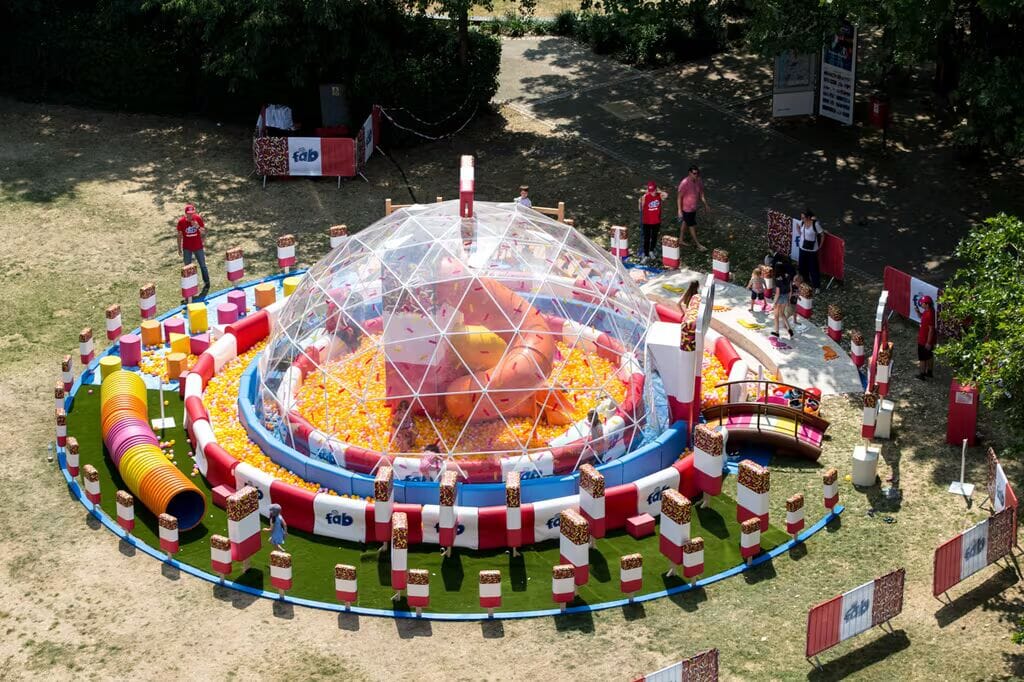
Top 5 Experiential Marketing Trends Brands Can’t Ignore
In today’s fast-moving world, audiences expect more than surface-level campaigns – they want brands to connect with them in authentic, meaningful ways. That means moving beyond gimmicks and creating experiences that touch emotions, tell stories, and spark lasting loyalty.
At i2i, we’ve spent over 25 years creating campaigns that change perceptions and drive results – and we know what it takes to cut through the noise. Here are five experiential marketing trends shaping the future of brand engagement.
1. Personalisation That Really Resonates
Audiences expect brands to truly know them. But personalisation is about more than a name on an email – it’s about creating an emotional connection, and showing your audience that you truly ‘get’ them.
The most effective campaigns speak with audiences, not at them. They align with lifestyles, values, and emotions, creating deeper connections, delivering the right message, to the right people, at the right moment.
It’s not about token gestures, but building immersive experiences that tap into who they are, how they live, and what matters to them. A successful campaign is about sparking human connection, not pushing product. Handing out a free sample to anyone passing by just won’t cut it anymore – marketers need to be creating a targeted moment that makes the right person stop, engage, and share. At i2i, we see this play out every day – campaigns that resonate emotionally stick. Campaigns that don’t feel personal? Forgotten in an instant.
2. The Phygital Revolution
It’s not enough to create a buzz on the day. Experiences now need to live beyond the event, extending into digital channels to spark talkability, PR, and social engagement.
A phygital approach – blending physical and digital – keeps audiences engaged before, during and after the campaign. When done right, it becomes part of everyday life: immersive experiences that feel natural, memorable, and shareable.
With today’s audiences living simultaneously in two worlds – the physical and the digital – experiential campaigns need to target both mindsets. The physical sparks the initial engagement, while the digital magnifies it, spreading it across social, PR, and beyond.
The most successful activations are those where audiences barely notice the shift from live to online – that’s the phygital sweet spot: creating real-world moments with digital aftershocks that drive talkability, visibility, and long-term impact.
3. AI: The Experiential Accelerator
Artificial Intelligence is a modern-day tool that is here to stay and any forward-thinking experiential agency needs to embrace what it offers.
AI isn’t about replacing creativity within experiential marketing agencies, it’s about enhancing it. From researching cultural trends to designing moodboards, Ai can generate results in an instant. The real skill lies in adding the human touch so that all-important personalisation and audience-identification is still at the forefront of campaigns.
Perhaps more excitingly, is the way AI is supporting agencies behind the scenes. From analysing consumer behaviour on the ground to reporting insights instantly, AI enables marketers to see how consumers are engaging in real time and fine-tune campaigns as they happen.
This means more efficient campaigns, cost savings, and sharper decision-making. To find out more about how AI is shaking up experiential marketing, take a look at our blog The Effect of AI in a Brand Agency (Good & Bad).
4. Sustainability With Substance
The days of greenwashing are well and truly over – for today’s audiences the sustainability message must feel authentic and consistent. It’s not enough to say you care about the planet – you need to prove it.
Sustainability has moved from a bolt-on to a baseline expectation. And For experiential marketing, this means sustainability has to be more than a line in the strategy deck. It needs to be authentically integrated into everything you do – from the materials you use to the story you tell. A campaign that claims to care about the environment but leaves waste behind at an event? Audiences see straight through it.
Brands that integrate purpose-driven storytelling into their experiential campaigns not only connect with audiences but also earn lasting trust. For more on this, read our blog on Sustainability in Marketing: More than Just a Buzz Word.
5. Seamless Journeys Across Every Touchpoint
All of this comes together in one final, crucial trend: seamlessness. Consumers don’t think in silos, but agencies often do. That’s why so many brand experiences can feel disjointed.
The truth is, every touchpoint matters: the ad seen at home, the display in-store, the sample at an event, the follow-up online. If they don’t connect, the story falls apart. But when they do? The effect is exponential.
At i2i, we’ve built our reputation on making the complex simple. We understand the shopper journey, the retailer landscape, and the digital ecosystem – and we align them so consumers experience one powerful, consistent brand message from start to finish. That’s where loyalty is won. You can read more about the importance of creating a seamless shopper journey in our blog Integrated Shopper Marketing: Connecting the Dots Between Online and Instore.
6. The Future of Experiential Marketing
The future of experiential marketing isn’t about one-off stunts or surface-level engagement. It’s about knowing your audience, creating authentic connections, and amplifying those moments with digital efficiency.
At i2i, we combine personalisation, phygital reach, AI-driven insights, sustainable storytelling, and seamless shopper journeys, to create experiences that don’t just capture attention – they change behaviour and drive results.
Contact us to learn more about how our marketing campaigns can help you reach your audience in a way that they’ll remember…